

In the electronics manufacturing industry, selecting the right type of Printed Circuit Board (PCB) is the foundation of a successful project. The most fundamental choice often lies between a Single-Sided PCB and a Double-Sided PCB.
1. Structure and Technical Overview
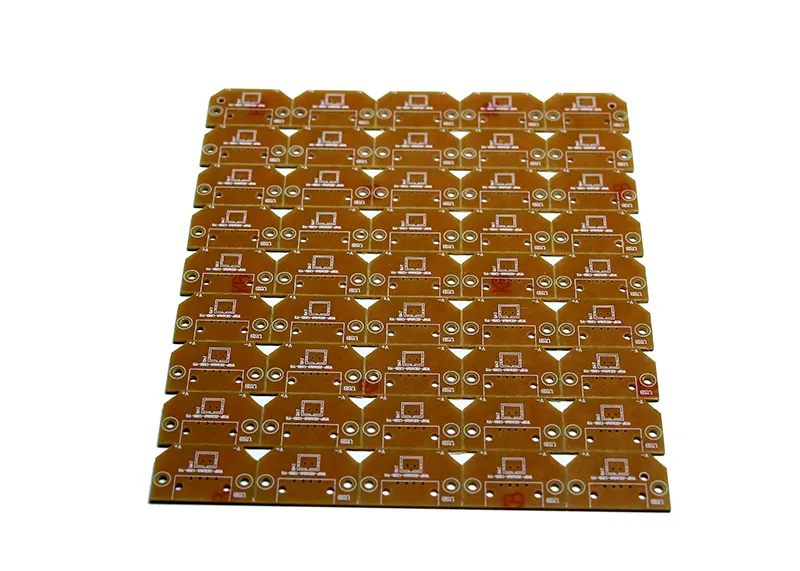
Single-Sided PCB: These boards consist of a single layer of conductive copper foil on one side of an insulating substrate (like FR-4 or Aluminum). All electronic components and wiring are on that single side.
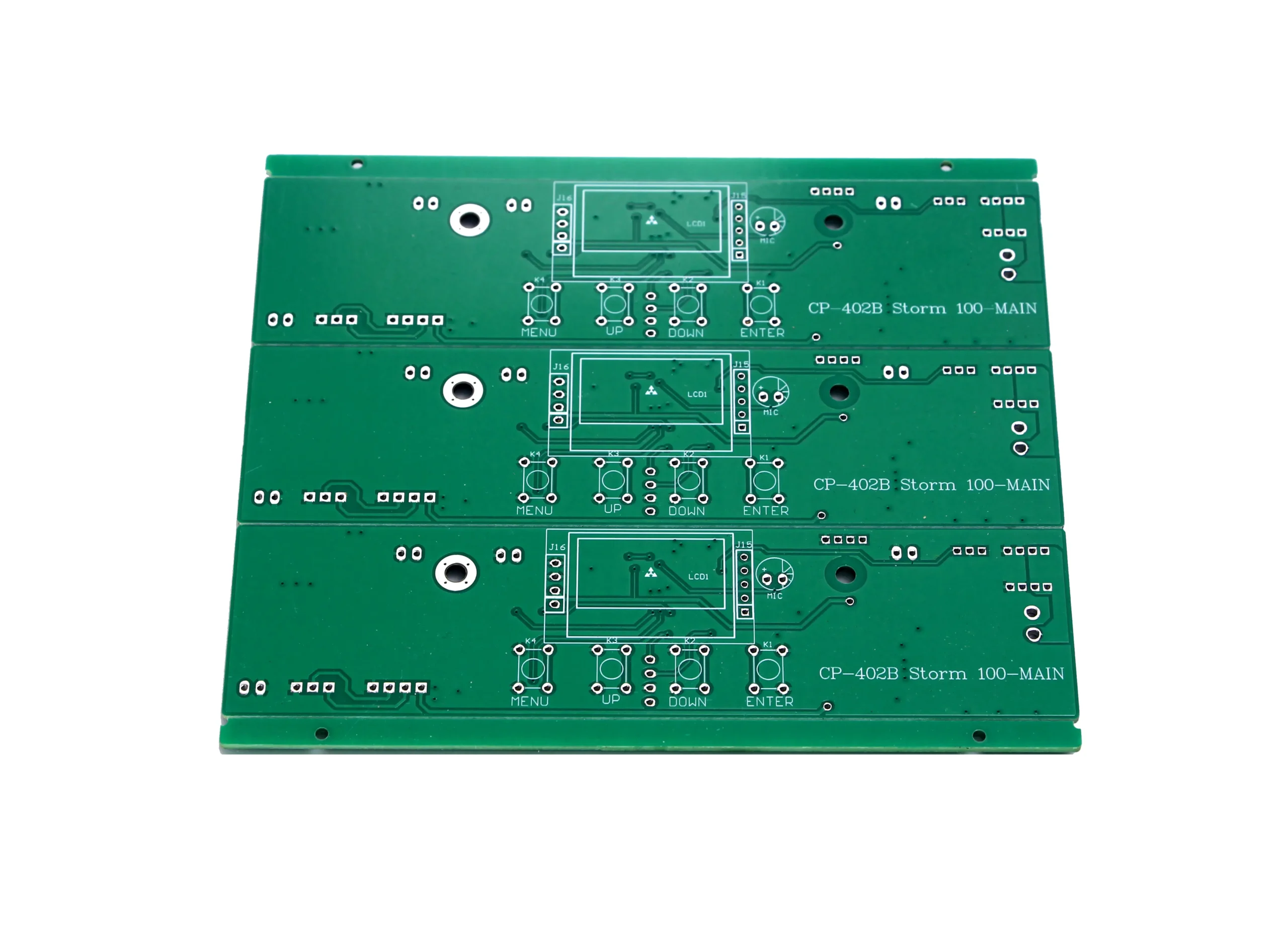
Double-Sided PCB: These boards have conductive copper on both sides. The key feature is the Plated Through Hole (PTH), which allows electrical signals to travel between the top and bottom layers through metalized "vias."
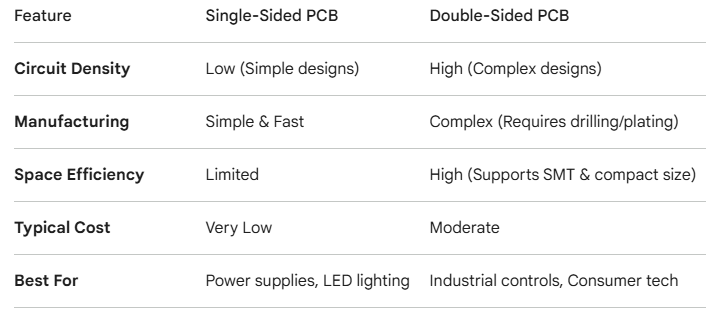
2. Comparison Table
3. Which One Should You Choose?
Choose Single-Sided if: You are designing simple consumer products (like fans or basic LED drivers) where keeping the unit cost as low as possible is the top priority.
Choose Double-Sided if: Your design includes an MCU (Microcontroller), requires high-density SMT components, or needs to fit into a compact housing.
4. Expert Manufacturing Solutions
Choosing the right partner is just as important as choosing the right board. Whether you need rapid prototyping or mass production, it is vital to work with a manufacturer that understands high-reliability standards.
For professional manufacturing services or technical support for your next project, welcome to search for PCB manufacturer CHNPCB or visit our official website at www.chnpcb.com to explore our high-quality manufacturing capabilities.