
PCB SMT Assembly Process: What to Check Before You Place an Order
Every factory can show you a diagram of the PCB SMT assembly process. Fewer can show you where their own quality checkpoints actually sit inside it. As a PCB company from China running SMT, DIP, and wave soldering lines in-house, we've broken the process into the same 11 steps buyers should be asking about — not just to understand what happens, but to evaluate who they're ordering from.
1. Process File & SMT Coordinate File Preparation
Before anything is produced, your Gerber files and BOM are converted into process files and an SMT coordinate file. What to ask: does the factory review your BOM for obsolete or hard-to-source parts at this stage, or only discover shortages after production starts?
2. Material Checklist & PMC Scheduling
Materials are checked against the BOM and a production schedule is confirmed. What to ask: does the factory commit to a kitting checklist before your board enters the queue, or start production with partial materials and "fill in later"?
3. SMT Programming & First Article Verification
Programs are written and a first article is produced for verification before mass production. What to ask: will you receive first article photos or a report before the full run proceeds?
4. Laser Stencil Fabrication
A stencil is cut to match your pad layout. What to ask: is the stencil made in-house or outsourced — outsourced stencils add a hidden lead-time variable most buyers never see coming.
5. Solder Paste Printing
Paste is printed evenly across every pad. What to ask: does the line use SPI (solder paste inspection) to catch print defects here, or rely on visual spot checks only?
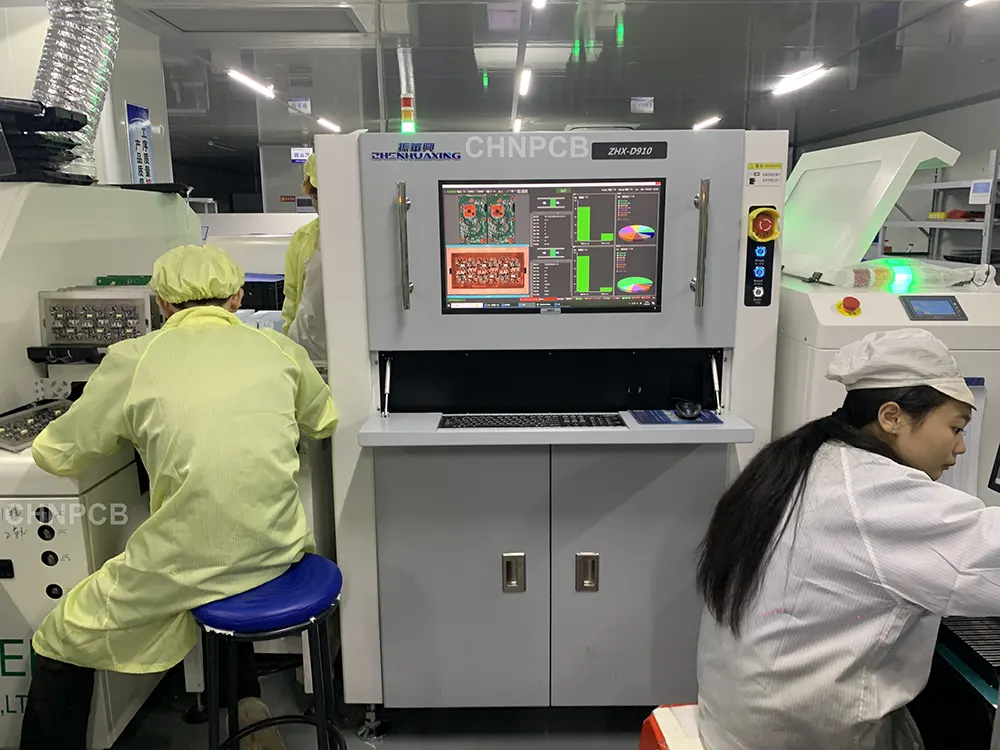
6. Component Placement with Inline AOI
Components are placed and checked inline for misalignment or missing parts. What to ask: is AOI applied at this stage, or only after reflow — catching a placement error before soldering is far cheaper to fix than after.
7. Reflow Soldering
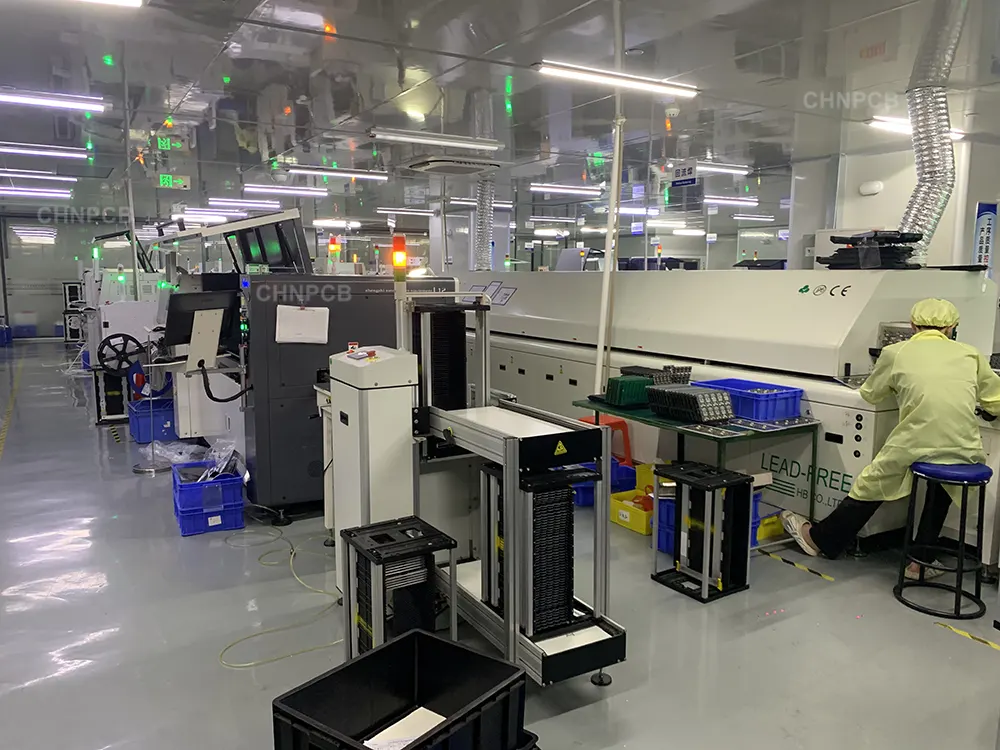
Boards pass through a temperature-profiled reflow oven. What to ask: is the reflow profile adjusted per board thickness and component mix, or run on a fixed generic profile regardless of what's loaded?
8. IPQC In-Process Inspection
Boards are sampled and inspected mid-process. What to ask: what sampling rate does IPQC actually use, and is it documented per batch?
9. DIP Insertion & Wave Soldering
Through-hole components are inserted and wave soldered. What to ask: if your design mixes SMT and through-hole parts, does the factory run both processes in-house, or does your board leave the building between steps?
10. Post-Soldering Processes
Lead trimming, touch-up soldering, and cleaning follow. What to ask: is flux residue cleaning standard on every order, or an added-cost option you'd need to specify?
11. Final QA Inspection
A final check confirms the board meets spec before release. What to ask: does QA follow a written checklist tied to your specific order, or a generic pass/fail visual scan?Related reading: see our [double-sided PCB manufacturing process] guide for how bare-board fabrication feeds into this SMT/DIP workflow.
Skipping any one of these 11 checks doesn't just risk a single bad board — it risks an entire batch shipping with the same undetected defect.
CHNPCB